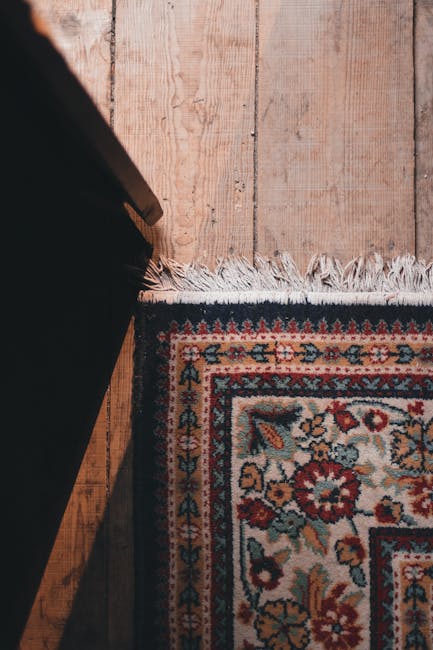
High Street Colliers Wood rug cleaning price guide
If you have been comparing rug cleaning costs and trying to work out what is fair, the High Street Colliers Wood rug cleaning price guide is the kind of thing that saves time, money, and a bit of head-scratching. A rug can be one of the most visible pieces in a room, and when it starts looking dull, carrying a dog smell, or showing old spill marks, the question becomes very simple: what should it cost to put it right?
This guide explains the main price factors, what professional rug cleaning usually includes, and how to judge whether a quote makes sense. It also covers the sorts of rugs that cost more to clean, the mistakes that push bills up, and what to ask before you book. If you are comparing rug care options alongside professional rug cleaning or broader deep cleaning services, you will find the detail here useful.
Truth be told, rug pricing is not one neat number. It changes with fibre type, size, stain level, access, drying needs, and whether the rug can be cleaned on-site or needs specialist handling off-site. Let's make it clearer.
Table of Contents
- Why the price guide matters
- How rug cleaning pricing works
- Key benefits and practical advantages
- Who this is for and when it makes sense
- Step-by-step guidance
- Expert tips for better results
- Common mistakes to avoid
- Tools, resources and recommendations
- Law, compliance, standards, and best practice
- Options and comparison table
- Case study or real-world example
- Practical checklist
- Conclusion
- Frequently asked questions
Why High Street Colliers Wood rug cleaning price guide Matters
A price guide matters because rug cleaning is one of those services where the cheapest option is not always the best value, and the priciest quote is not always better either. Rugs can be delicate, colour-sensitive, or handmade, so a one-size-fits-all price rarely tells the full story.
In a busy household, a rug may deal with muddy shoes, food spillages, pet hair, daily foot traffic, and the odd accident that nobody wants to talk about. In a local setting like High Street Colliers Wood, people often want something that is practical and convenient: clear pricing, quick turnaround, and a decent result without any drama. Fair enough.
The guide also matters because it helps you compare services properly. Two quotes may look similar at first glance, but one may include deodorising, stain treatment, careful drying, and fibre-safe methods while the other is only a basic surface clean. If you compare prices without comparing what is actually included, you can end up paying more later for re-cleaning or repairs.
It is also useful if you are deciding between rug cleaning and related services. For example, if the whole room needs attention, carpet cleaning may make more sense. If the rug is part of a broader refresh, one-off cleaning or domestic cleaning may fit better. Small choice, big difference.
How High Street Colliers Wood rug cleaning price guide Works
Most rug cleaning prices are built from a few straightforward elements. The cleaner looks at the size, material, condition, and cleaning method required, then adds anything extra if the job is more complex. That sounds simple, but the details matter a lot.
Here is the basic logic:
- Size - A larger rug needs more solution, more labour, and often more drying time.
- Material - Wool, silk, viscose, cotton, synthetic blends, and antique pieces all behave differently.
- Soiling level - Light dusting is one thing; heavy traffic marks and pet contamination are another.
- Stains and odours - Specific treatment for wine, coffee, urine, grease, or dye transfer can increase the price.
- Method - Steam-based cleaning, low-moisture cleaning, hand cleaning, or off-site treatment all have different costs.
- Access and handling - Stairs, parking, fragile backing, and awkward room layouts can add time.
To be fair, the words "rug cleaning" cover a lot of ground. A synthetic hallway rug that just needs a freshen-up is not the same as a hand-knotted wool piece that has absorbed years of dust and feels a bit tired at the edges. The cleaner should spot that difference immediately.
In many cases, the price also reflects whether the service includes inspection, fibre testing, stain pre-treatment, controlled rinsing, deodorising, and post-clean grooming. If you want a more intensive approach, a service linked to steam carpet cleaning or specialist stain removal may be suggested, depending on the rug type.
Key Benefits and Practical Advantages
A well-priced professional rug clean is not only about appearances. A good service can extend rug life, reduce trapped dust, remove dullness, and make a room feel fresher straight away. You notice it when you walk in. The pile looks brighter. The room smells cleaner. It is a small thing, but not really small at all.
- Better value than replacement - Many rugs can be restored for much less than the cost of buying a new one.
- Improved indoor comfort - Less dust and debris trapped in the fibres.
- Odour reduction - Helpful for pet homes, food spills, and damp smells.
- Safer fibre care - Correct methods help prevent colour bleed, texture damage, or shrinkage.
- Longer lifespan - Regular cleaning can slow down wear in high-traffic areas.
If you are running a household with children or pets, the value is even clearer. A rug that has been properly cleaned can make the room feel less sticky, less dusty, and just generally easier to live with. And yes, that matters on a rainy Tuesday in South West London when everyone has walked in with damp shoes.
There is also a practical benefit in matching rug cleaning to other home services. If you are already arranging a fuller refresh, services such as sofa cleaning or upholstery cleaning can be booked together to save time and streamline the day. That kind of coordination is often more efficient than booking each item separately.
Who This Is For and When It Makes Sense
This guide is useful for anyone who owns a rug and wants to know what a reasonable clean should cost. But some people will find it especially helpful.
- Homeowners and tenants who want to refresh a room without replacing the rug.
- Pet owners dealing with odours, staining, or repeated accidents.
- Busy families whose rugs take a daily beating from foot traffic and snacks.
- Landlords and letting agents who need cleaning before new occupants move in.
- Holiday let hosts who want the space to look and smell clean between guests.
- Small businesses and offices where a rug sits in a reception area or meeting room.
It makes sense to arrange rug cleaning when you see dullness, flattening, visible traffic lanes, lingering smells, or spill marks that keep reappearing after a simple vacuum. If the rug has sentimental value or was expensive to begin with, the case for professional care is even stronger.
Some people wait until a rug looks beyond saving. Happens all the time, honestly. But the earlier you deal with the grime, the easier and often cheaper the job becomes.
Step-by-Step Guidance
If you want to understand pricing properly, follow a calm, practical process. No need to overcomplicate it.
- Measure the rug
Length and width are the starting point. Size often sets the base price, especially for standard rectangular rugs. - Identify the material
Check the label if there is one. Wool, synthetic fibre, silk, and blended weaves may require different cleaning methods. - Assess the condition
Look for stains, edge fraying, faded patches, pet odours, or signs of moisture damage. - Decide whether on-site or off-site cleaning is needed
Some rugs can be cleaned in the home. Delicate pieces may need controlled handling elsewhere. - Ask what is included
Pre-inspection, stain treatment, deodorising, drying, and aftercare should be clear in the quote. - Compare like for like
Do not compare a basic rinse with a full restorative service and assume they are the same thing. - Check booking and payment terms
It helps to review pricing and quotes carefully, alongside payment and security information and the provider's terms and conditions.
One simple tip: take a quick photo in daylight before the clean. It helps you compare the before-and-after result, but it also helps you and the cleaner discuss the right treatment. No guesswork, no awkward misunderstandings.
Expert Tips for Better Results
If you want the best outcome without overpaying, these are the details that usually make the difference.
- Vacuum first - Loose grit behaves like sandpaper. Removing it before cleaning protects the pile.
- Be honest about stains - Hiding pet accidents or dye transfer only makes the job harder. Cleaners would rather know upfront.
- Test delicate rugs carefully - Natural dyes can bleed if treated aggressively.
- Ask about drying time - A rug that stays damp too long can pick up a stale smell.
- Use the right follow-up care - Keep shoes off the rug for a while after cleaning if possible.
- Bundle services sensibly - If the whole room needs attention, combining rug work with house cleaning or deep cleaning can be more efficient.
In our experience, the best results come from clear communication rather than vague instructions like "just make it look better." Useful, but not exactly precise. If you can explain the stain type, rug age, and fibre content, you are already ahead of the game.
And one more small thing: if the rug sits on a hard floor, ask whether the underlay or floor beneath needs attention too. Sometimes the smell is not only in the rug. A bit annoying, yes, but worth checking.
Common Mistakes to Avoid
Most rug cleaning problems happen before the cleaner even starts. The wrong choice or the wrong expectation can make a good service feel disappointing.
- Choosing by price alone - Cheap can be fine, but only if the scope is clear.
- Ignoring fibre type - Silk-like or antique rugs can be damaged by the wrong method.
- Waiting too long - Old stains usually set deeper and cost more to treat.
- Not asking about shrinkage risk - Some rugs need controlled moisture and careful drying.
- Assuming odour will disappear automatically - Smells often need targeted treatment, especially with pets.
- Forgetting about access - A third-floor flat, tight stairs, or limited parking can affect the price.
It is also easy to overlook the difference between "surface clean" and "deep clean." That gap matters. A rug can look better after a quick pass, but if the fibres still hold dirt, the improvement may not last. Not ideal, and usually not good value.
Tools, Resources and Recommendations
You do not need specialist equipment to prepare for a rug cleaning quote, but a few simple tools help a lot.
- Measuring tape - For accurate size measurement.
- Phone camera - Useful for recording stains, wear, and colour details.
- Soft brush or vacuum with gentle setting - Good for removing surface debris before the clean.
- White cloth - Handy if you want to do a cautious spot test on a tiny area, though professional advice is always better for valuable rugs.
- Notebook or notes app - To list stain sources, material questions, and special instructions.
On the provider side, it helps if they have clear information about insurance and safety, a transparent approach to about us information, and accessible service details. Those things do not clean a rug by themselves, of course, but they do tell you a lot about how a business works.
If the rug is part of a larger refresh, you may also want to look at related services such as regular cleaning, move out cleaning, or move in cleaning. The right combination can save a lot of back-and-forth.
Law, Compliance, Standards, and Best Practice
Rug cleaning is not usually a heavily regulated service in the way some trades are, but good providers should still follow sensible UK business and safety practice. That means clear pricing, honest descriptions of services, appropriate handling of chemicals, and care when dealing with delicate materials or customer property.
Best practice also means being upfront about what a quote includes, what may cost extra, and whether a rug is suitable for the method being proposed. If a cleaner spots potential damage risk, they should say so. That might seem obvious, yet it is exactly the kind of thing that separates a careful professional from a rushed one.
If a rug has sentimental or high monetary value, it is sensible to ask about treatment limitations and whether specialist handling is recommended. That is especially true for antique, handwoven, silk, or natural-dyed rugs. A cautious answer is better than an overconfident promise. Always.
For customers, the practical compliance angle is simple: read the service terms, understand payment conditions, and keep a note of what was agreed. That makes disputes less likely and sets clear expectations from the start. If anything goes wrong, a provider's complaints procedure should also be easy to find and reasonable to use.
Some customers also value environmental care. If that matters to you, check whether the provider has a visible recycling and sustainability approach. It is a practical sign that they think about the whole service, not just the clean itself.
Options, Methods, or Comparison Table
Different rug cleaning methods suit different rugs. The table below gives a simple comparison so you can make a more informed choice before requesting a quote.
| Method | Best for | Typical advantages | Possible drawbacks |
|---|---|---|---|
| On-site rug cleaning | Standard synthetic and some wool rugs | Convenient, quick, no transport needed | Not always suitable for delicate fibres or severe staining |
| Low-moisture cleaning | Rugs that need minimal drying time | Faster turnaround, less risk of over-wetting | May be less effective on deep contamination |
| Steam-based cleaning | Many durable rugs with embedded soil | Good deep-cleaning effect, strong refresh | Not suitable for every rug; careful fibre checks required |
| Off-site specialist cleaning | Antique, silk, handmade, or delicate rugs | Controlled treatment and detailed care | Usually more expensive and slower due to handling |
There is no universal "best" method. The right option depends on the rug, not the marketing line. If a provider recommends an approach that sounds a bit too aggressive for a delicate rug, ask questions. Good cleaners expect that.
Case Study or Real-World Example
Imagine a medium-sized living room rug in a busy family home near High Street Colliers Wood. It has a few food marks, a general greyed look in the main walking path, and a faint smell after winter months of wet coats, shoes, and pets wandering in and out.
A basic clean might freshen the surface, but the real issue is deeper soil in the pile and a couple of spots that have been sitting there for too long. A careful cleaner would inspect the fibres, test the colour fastness if needed, pre-treat the marks, clean with the right moisture level, and allow proper drying time. If the rug is synthetic, the process may be straightforward. If it is wool, the approach becomes more controlled.
The outcome? The room feels lighter and cleaner, the rug looks less tired, and the customer avoids replacing something that still has years of life left. Not glamorous. But very satisfying. And cheaper than buying a new rug, which is usually the whole point.
In a different scenario, a landlord preparing a flat for new tenants might book rug cleaning alongside end of tenancy cleaning. That tends to make sense because the timing, access, and overall presentation are already being managed together. One booking, less hassle.
Practical Checklist
Use this checklist before asking for a quote. It keeps the process simple and usually leads to better pricing accuracy.
- Measure the rug length and width.
- Note the material if you know it.
- Check for stains, spills, pet odours, or fraying.
- Take a photo in good light.
- Decide whether the rug can stay in place or needs moving.
- Ask what the quote includes: stain treatment, deodorising, drying, and inspection.
- Confirm whether the method suits delicate or handmade fibres.
- Review payment terms and any service conditions.
- Ask about estimated drying time.
- Think about whether related cleaning would save time, such as curtains, sofas, or carpets.
Quick expert summary: the best rug cleaning price is not the lowest number you can find; it is the clearest quote for the right method on the right rug. That is the bit people miss when they rush it.
Get a free quote today and see how much you can save.
Conclusion
A good High Street Colliers Wood rug cleaning price guide should do more than throw out a vague figure. It should help you understand what drives the cost, what to ask, and where you can save money without cutting corners. Once you know the basics, quotes become much easier to compare and the whole process feels far less stressful.
If your rug is looking tired, holding odours, or just not giving the room the lift it once did, getting it professionally cleaned is often a sensible and surprisingly satisfying decision. The right care can bring back colour, softness, and that clean-room feeling you notice the moment you step in. Small win, but a proper one.
And if you are still weighing up your options, take your time and ask the awkward questions. A trustworthy cleaner will not mind. In fact, they should welcome them.
Frequently Asked Questions
How much does rug cleaning usually cost in High Street Colliers Wood?
The cost depends on rug size, fibre type, stain level, and whether the rug needs specialist or off-site treatment. A simple synthetic rug will usually cost less than a delicate wool or handmade piece.
Why do some rug cleaning quotes look much higher than others?
Quotes vary because not every cleaner includes the same things. One quote may cover pre-treatment, deodorising, and drying time, while another may only cover the base clean. Always compare the scope, not just the number.
Is steam cleaning safe for all rugs?
No, not always. Steam-based methods can be effective on durable rugs, but delicate, antique, silk, or colour-sensitive rugs may need a gentler approach. A proper inspection should come first.
Can pet smells be removed from a rug?
Often, yes, but the result depends on how deep the contamination has gone. Surface odours are usually easier to treat than long-term urine or repeated pet accidents.
Should I clean the rug at home or send it away?
That depends on the rug. Standard rugs can often be cleaned on-site, while delicate or high-value rugs are sometimes better handled off-site for more controlled treatment.
How long does a rug take to dry after cleaning?
Drying time varies with the method used, fibre type, room ventilation, and how much moisture the rug absorbed. A cleaner should give you a realistic drying estimate before starting.
Do I need to move furniture before the cleaner arrives?
Sometimes, but not always. It is best to ask in advance. Some providers will move light items, while heavier furniture may need to stay in place for safety reasons.
Is it worth cleaning an old rug, or should I replace it?
If the rug has structural damage, severe fibre loss, or permanent staining, replacement may make more sense. But many older rugs can still be revived well enough to justify the cost of cleaning.
What details should I mention when asking for a quote?
Give the rug size, material if known, stain type, odour issues, access problems, and whether you want cleaning in place or off-site. The more accurate the details, the better the quote.
Can rug cleaning be booked with other home services?
Yes, and that is often sensible. Many people combine it with carpet, sofa, or general home cleaning to make the visit more efficient and to keep the home looking consistent.
What if I am not happy with the result?
Check the service terms and contact the provider promptly. A proper company should have a clear process for handling concerns, and it is better to raise issues early rather than leaving them until later.
How do I know if a rug cleaner is trustworthy?
Look for clear pricing, sensible explanations, safety awareness, and a willingness to discuss methods honestly. If they can explain the approach without sounding vague or pushy, that is usually a good sign.